
Magnolia

sunny to partially shaded, sheltered
Forets of the World, no specific plot assigned

moderate

generally hardy, depending on the species

4–10 m

March–April
range: March 28 – April 6
General description
Magnolias are among the oldest flowering plants on Earth, dating back more than 100 million years. They evolved long before bees, which is why their flowers were originally pollinated by beetles – a trait still reflected in their sturdy floral structure today. Magnolias are native to East Asia and North America, where they grow in a wide range of climates and habitats.
They were introduced to Europe in the 18th century and quickly became valued ornamental plants in parks and gardens. Today, the genus includes a wide variety of species and cultivars, differing in growth habit, flower size, and colour. Many magnolias grow as small trees or large shrubs and can reach considerable size over time.
Typical features include their large, often fragrant flowers and their leathery, entire leaves. Their distinctive fruiting bodies, which resemble small cones, are also characteristic of the genus. Some species are deciduous, while others are evergreen, making them versatile in garden design.
Due to their long evolutionary history and unique pollination biology, magnolias are considered botanically significant plants and remain an important element of garden culture today.
Care
Magnolias prefer humus-rich, slightly acidic soils that are neither too dry nor too wet. They are sensitive to root disturbance and soil compaction. Once established, they are relatively low-maintenance, but pruning should be kept to a minimum. Heavy pruning is poorly tolerated, and the plant regenerates slowly. A layer of mulch helps protect their shallow root system.
Special features & use in the home garden
Magnolias are ideal as specimen plants. Their distinctive growth habit and abundant flowering give them a strong visual presence. For smaller gardens, compact varieties such as Magnolia stellata are recommended. Combined with spring bulbs and shade-loving ground covers, they create impressive spring displays.
In Trauttmansdorff
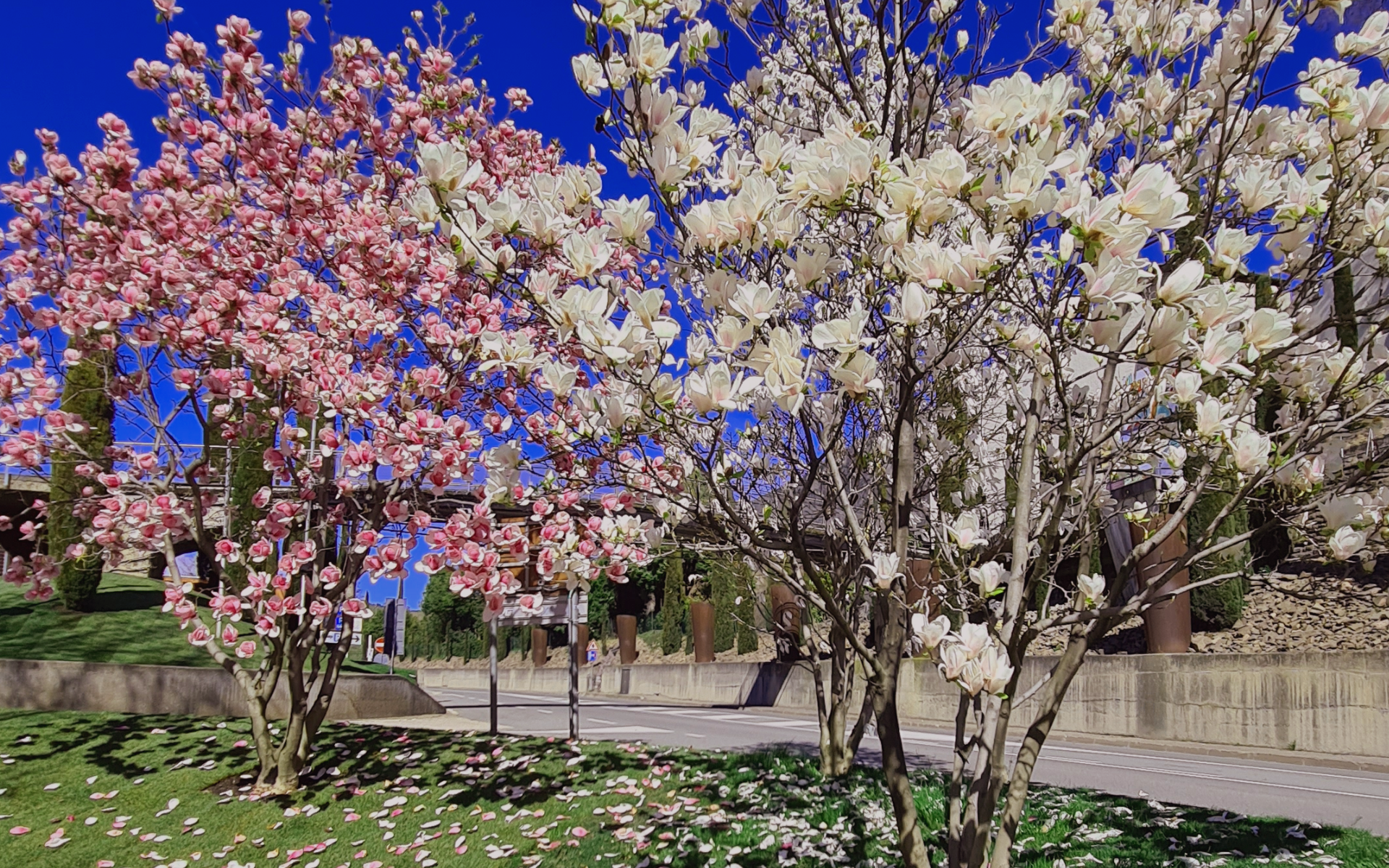
Magnolias can be found in the Forests of the World and in the main parking area, allowing visitors to admire them even before the gardens open.

Price: €0.00*